Evaluating the Mandala Monogram Letter Z for Design Projects
The Mandala Monogram Letter Z represents a specific intersection of geometric symmetry and typographic identity. Unlike standard serif or sans-serif fonts, this design element integrates the structural complexity of a mandala directly into the form of the letter "Z". For designers, crafters, and artists working within the 20 to 50 age demographic, understanding the technical specifications and aesthetic applications of this asset is crucial before committing to a project. This evaluation examines the unique characteristics of the Mandala Monogram Letter Z, compares it against alternative design resources, and outlines the practical scenarios where it serves as an optimal choice versus when other options might be more appropriate.
Defining the Distinctive Features of the Asset
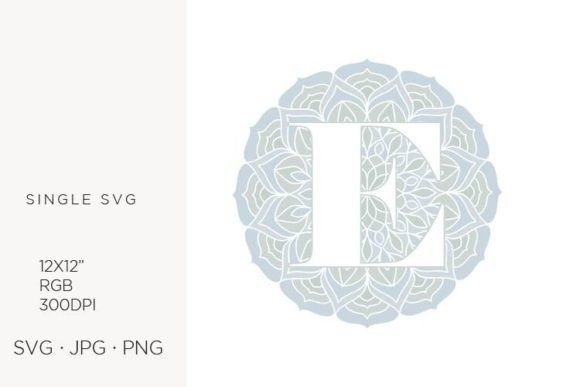
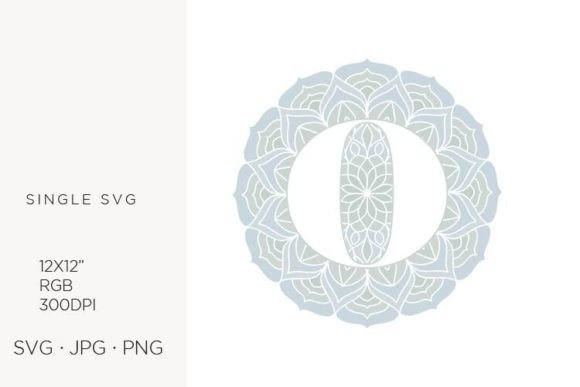
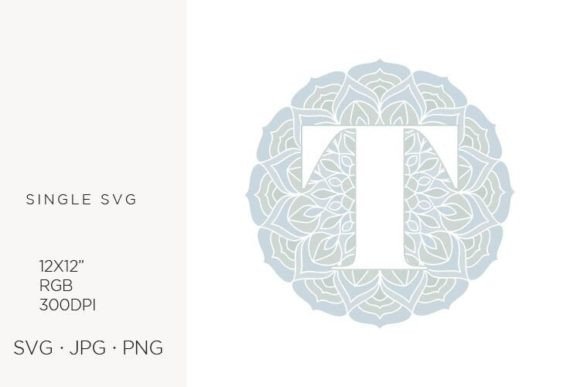
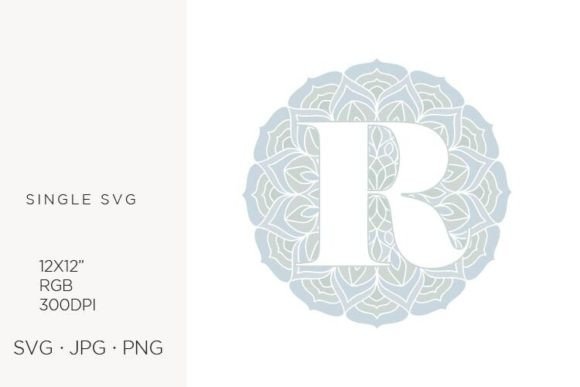
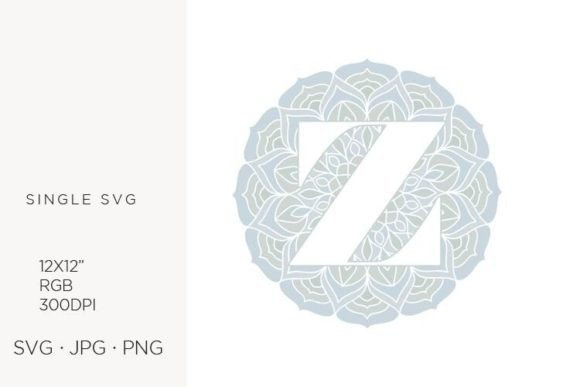
The primary distinction of the Mandala Monogram Letter Z lies in its dual function as both a decorative pattern and a legible character. Traditional monograms often rely on overlapping letters or simple interlacing. In contrast, this specific design utilizes radial symmetry, where the lines of the "Z" extend outward to form intricate floral or geometric motifs typical of mandala art. This creates a focal point that draws the eye while maintaining the recognizable shape of the initial.
From a technical standpoint, the quality of the file is a significant factor in its utility. The asset is created using vector-based software, specifically Adobe Illustrator, ensuring that the lines remain crisp regardless of scaling. The provided files are set up on a standard 12 x 12 inch artboard with a resolution of 300 dpi, which is the industry standard for high-quality print production. Furthermore, the availability in multiple formats—SVG, JPG, and PNG—along with an RGB color palette, offers versatility across digital and physical mediums. The SVG format allows for infinite scalability without pixelation, making it ideal for large-format printing like wall art, while the raster formats (JPG, PNG) provide immediate compatibility for web use or quick mockups.
Comparing Vector Assets with Raster Alternatives
When evaluating resources for logo design or custom stationery, the choice between a dedicated vector monogram like the Mandala Monogram Letter Z and generic raster clipart is a common decision point. Generic clipart found in lower-resolution libraries often suffers from jagged edges when enlarged, limiting their use to small-scale applications such as business cards or social media avatars. Conversely, the vector nature of this specific "Z" monogram ensures that whether the design is printed on a tiny jewelry pendant or a massive banner, the detail remains intact.
Another comparison involves pre-made font files versus standalone graphic elements. While a decorative font containing a "Z" might offer speed, it lacks the customization potential of a standalone vector illustration. With the Mandala Monogram Letter Z file, a designer can manipulate individual anchor points, change line weights, or alter the internal patterns of the mandala to suit a specific brand identity. A font file typically locks the user into a single style, whereas the vector art provides the flexibility to deconstruct and rebuild the element. This tradeoff requires more time and skill but yields a more unique and tailored result.
Strengths and Tradeoffs of the Format
- Scalability: The SVG format eliminates resolution constraints, allowing for use in everything from embroidery digitizing to billboard printing.
- Customization: Being created in Adobe Illustrator means layers are likely preserved, allowing users to recolor sections or remove specific decorative elements.
- File Versatility: The inclusion of JPG and PNG formats ensures accessibility for users who may not have vector editing software.
- Tradeoff - Complexity: The intricate nature of the mandala design may require higher precision cutting machines for vinyl projects compared to simpler block letters.
- Tradeoff - Legibility: At very small sizes, the dense detailing of the mandala might obscure the letter shape, requiring careful sizing decisions.
Ideal Use Cases and Application Scenarios
The Mandala Monogram Letter Z is particularly well-suited for projects where visual impact and personalization are paramount. One of the most effective applications is in handmade craft items, such as laser-cut wood signs or acrylic keychains. The radial balance of the design works exceptionally well in circular frames, making it a natural fit for coasters, mirrors, or framed wall art. Because the design is centered and symmetrical, it does not require complex alignment during the manufacturing process, reducing waste and setup time.
In the realm of paper goods, this asset excels in invitations, announcements, and handmade cards. The elegance of the mandala style conveys a sense of sophistication and care, which is essential for wedding invitations or baby shower announcements featuring the initial "Z". The 300 dpi resolution ensures that when printed on high-quality cardstock, the fine lines do not bleed or blur, maintaining the professional appearance expected by adult consumers.
Digital applications also benefit from this resource. Web designers can utilize the SVG version for responsive logos that load quickly and scale perfectly on mobile devices. The RGB color palette ensures accurate representation on screens, making it suitable for social media branding, website headers, or digital greeting cards. Additionally, the design's intricate nature makes it an excellent candidate for sublimation onto fabric, such as tote bags or t-shirts, where the detailed pattern adds texture and depth to the garment.
When to Consider Alternative Options
Despite its strengths, the Mandala Monogram Letter Z is not the universal solution for every design challenge. There are specific situations where a different approach would yield better results. For instance, if the project requires extreme legibility at a distance, such as signage for a storefront or directional markers, the intricate details of the mandala may become indistinguishable noise. In these cases, a bold, sans-serif typeface without decorative flourishes is a more functional choice.
Budget and timeline constraints are also critical factors. If a client needs a logo designed and deployed within hours, utilizing a pre-made vector monogram might still require time for minor adjustments or color matching. In contrast, hiring a graphic designer to create a bespoke mark or using a rapid online logo generator might be faster, though potentially less unique. Similarly, if the final output is for a medium that cannot handle fine details, such as low-resolution screen printing on dark fabrics, the delicate lines of the mandala might get lost. Here, a simplified silhouette version of the letter would be more robust.
Furthermore, consider the target audience's aesthetic preferences. While the mandala style appeals to those seeking bohemian, spiritual, or ornate designs, it may clash with minimalist, industrial, or corporate branding guidelines. If the goal is to convey modernity and efficiency, the organic curves and repetitive patterns of the Mandala Monogram Letter Z might feel too traditional or busy. Evaluating the brand voice against the visual language of the asset is a necessary step before integration.
Technical Considerations for Implementation
To maximize the value of the Mandala Monogram Letter Z, understanding the workflow for each file format is essential. When working with the SVG file in Adobe Illustrator or similar vector programs, ensure that the artboard is set to the correct dimensions before importing. The 12 x 12 inch default size is convenient for square compositions but should be resized proportionally if the layout demands a rectangular format. Users should also verify the color mode; while the provided palette is RGB for screen use, converting to CMYK is necessary for professional offset printing to ensure color accuracy on paper.
For crafters using cutting machines like Cricut or Silhouette, the SVG format is preferred. However, the complexity of the mandala design means that weeding—the process of removing excess vinyl from around the cut lines—can be labor-intensive. It is advisable to test a small section first to determine if the design is too intricate for the specific vinyl material being used. If the lines are too thin, they may tear during weeding. In such instances, simplifying the design by thickening the strokes or removing the innermost details can improve the success rate of the physical craft.
Jewelry makers and metalworkers should note that the vector paths can be converted into DXF files for laser engraving or CNC routing. The high resolution and clean lines of the source file ensure that the machine follows the path accurately, resulting in a polished final product. Whether creating pendants, earrings, or cufflinks, the symmetry of the "Z" monogram ensures that the piece looks balanced from all angles.
Conclusion on Resource Selection
Selecting the right design element depends on balancing aesthetic goals with technical requirements. The Mandala Monogram Letter Z offers a sophisticated blend of typography and pattern that stands out in crowded markets. Its vector foundation provides the durability and flexibility needed for diverse applications, from digital branding to tangible crafts. However, it is not a one-size-fits-all solution. By carefully considering the scale of the project, the intended medium, and the desired level of detail, creators can determine if this specific asset aligns with their vision. For those seeking a personalized, high-quality initial that commands attention through intricate beauty, this resource presents a compelling option worth exploring.